


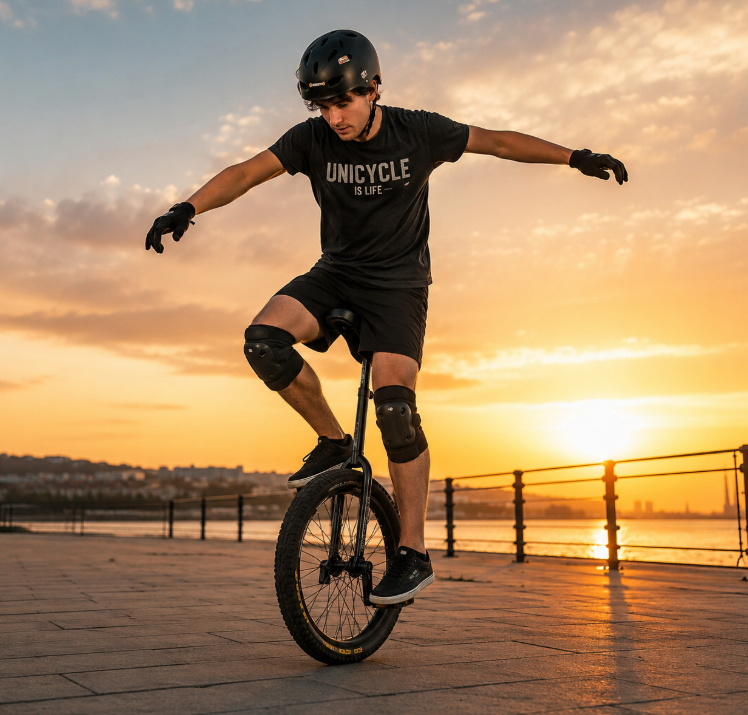

Unicycle Innovation Trends Shaping the Future of Cycling
Unicycling has moved far beyond its early simple design. Modern innovations tektekerbisiklet.com are reshaping how riders learn, perform, and experience balance-based cycling. Today’s unicycles combine improved materials, smarter engineering, and specialized designs for different riding styles. These advancements are making unicycling more accessible, efficient, and exciting. As technology evolves, the future of cycling on one wheel is becoming more dynamic and versatile. One major innovation trend is the use of lightweight yet durable materials. Aluminum alloys and reinforced composites are replacing heavier traditional metals. These materials improve control while reducing rider fatigue. Stronger frames also allow for more extreme riding styles such as trials and off-road unicycling. The balance between strength and weight is a key focus in modern design improvements. This makes unicycles easier to handle and more performance oriented.
Advanced Wheel and Tire Designs
Wheel technology has also seen significant improvements. Modern tires are designed for better grip, stability, and shock absorption. Wider tires support off-road and mountain unicycling, while narrower tires improve speed and efficiency. Enhanced spoke systems improve durability and balance under stress. These innovations allow riders to explore more diverse terrains with confidence. Better wheel design directly improves control and riding precision. Technology is beginning to enter the world of unicycling through smart features. Some modern models include sensors that track speed, balance, and performance data. Digital systems can help riders analyze their technique and improve training efficiency. Future innovations may include app connectivity and real-time feedback systems. Smart unicycles are making training more data-driven and personalized. This trend connects traditional riding with modern digital technology.
Electric Unicycles and Mobility Expansion
Electric unicycles have become one of the most popular innovations in recent years. These devices use motors to assist movement and improve travel efficiency. Riders can cover longer distances with less physical effort. Electric models are also used for urban transportation and commuting. They combine balance-based riding with modern mobility solutions. This trend is expanding the practical use of unicycles beyond sports and recreation. Safety innovations are improving rider confidence and reducing risk. Better braking systems, stability assistance, and improved grip technologies are becoming more common. Protective design features help reduce injury during falls or difficult terrain riding. Some models are being designed with automatic balance support systems. These improvements make unicycling safer for beginners and professionals alike. Safety-focused innovation is key to wider adoption.
Specialized Unicycle Categories
Modern innovation has led to highly specialized unicycle designs. Freestyle unicycles focus on tricks and performance routines. Mountain unicycles are built for rugged terrain and off-road control. Trials unicycles emphasize strength and precision for obstacle riding. Each category is optimized for specific performance needs. This specialization allows riders to choose equipment tailored to their goals. Sustainability is becoming an important trend in cycling innovation. Manufacturers are exploring recyclable materials and energy-efficient production methods. Electric unicycles also contribute to eco-friendly transportation solutions. Lightweight designs reduce material usage while maintaining strength. The focus on sustainability aligns with global environmental goals. Unicycling is gradually becoming part of greener mobility solutions.
Training Tools and Virtual Learning Systems
Innovation is also transforming how riders learn unicycling. Virtual training tools and simulation systems help beginners practice balance in controlled environments. Video analysis tools allow riders to study and improve technique. Online learning platforms provide structured training programs for all skill levels. These tools make learning more accessible and efficient. Digital training is becoming a strong support system for physical practice. The future of unicycling is shaped by continuous innovation in design, technology, and performance. Lighter materials, smarter systems, and improved safety features will continue to evolve. Electric and smart unicycles are expected to become more advanced and widely used. Training methods will also become more digital and data-driven. As innovation grows, unicycling will continue to expand as both a sport and a modern transportation option.